
 By Jeremy
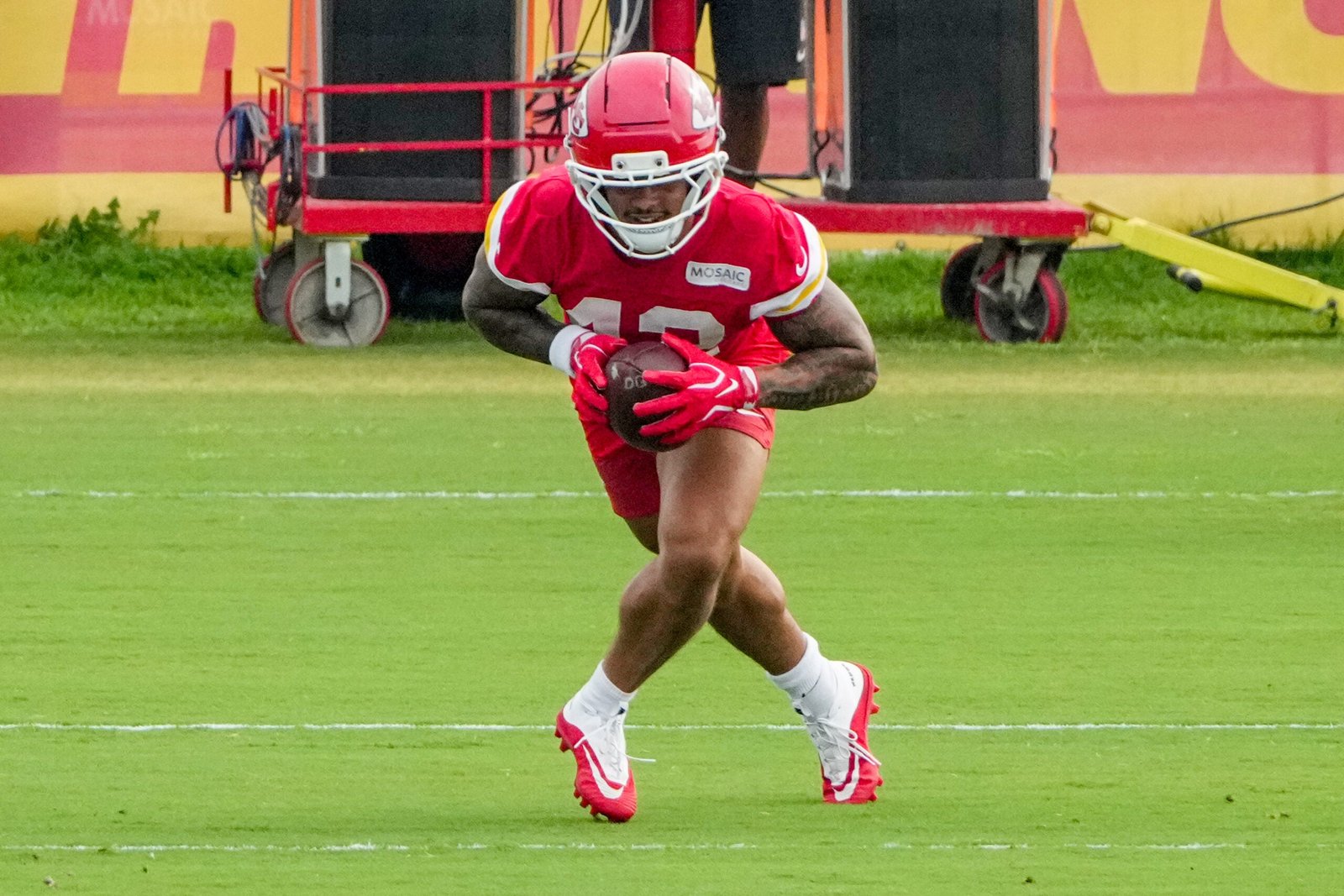
A 35–13 win in Atlanta should have sent the Chiefs home feeling good about their offense. Instead, the image that lingers is Jared Wiley leaving the game with an ankle injury that Andy Reid said appears to be a fracture. Travis Kelce also missed time with a calf issue before returning. Kansas City won comfortably, but the tight-end room now has a question that the final score cannot answer: who takes Wiley’s work without quietly piling more of it onto Kelce?
Wiley’s absence matters beyond the box score
Wiley was not a major receiving option, so it would be easy to look at his production and assume his absence changes little. That misses how an offense uses its depth. A reserve tight end can help make heavier formations viable, take blocking assignments and keep the starters from playing every situational snap. Those jobs become more noticeable when there is one fewer player available to do them.
It is also a tough setback for Wiley personally. The 2024 fourth-round pick lost much of his rookie season to an ACL injury, and this was another opportunity to establish himself in Kansas City’s offense. Reid’s initial assessment was concerning, though the team’s next medical update will matter more than any immediate assumption about his recovery timeline.
Noah Gray should be the first answer
The most straightforward adjustment is a larger role for Noah Gray. He knows the offense and can help Kansas City preserve the two-tight-end looks that give Patrick Mahomes options before the snap. Gray does not need to become Kelce to make this work. He needs to handle more of the routine snaps reliably, whether the play asks him to block, release into a route or simply help disguise the Chiefs’ intentions.
Jake Briningstool is the other tight end on the active roster. This could be a chance for him to take on a clearer role, particularly in packages where Kansas City wants another tight end on the field without asking Kelce to absorb additional contact. But there is a difference between having a player available and trusting him with a full range of assignments. Andy Reid and the staff will have to decide how much they can put on Briningstool’s plate.
If the depth feels too thin, Kansas City can consider another roster option. That decision should be driven by what the coaches need on game day, not by an expectation that a new arrival will immediately replace everything Wiley might have offered.
Kelce’s workload is the real test
Kelce’s brief exit deserves attention even though he returned. Reid said Kelce had been dealing with an ankle issue, and the calf problem added another reminder that available and unaffected are not the same thing. The temptation, especially when an offense loses depth, is to leave its most trusted player on the field longer. For the Chiefs, that would solve one short-term problem by risking a more important one.
There are ways to be selective without making Kelce an afterthought. Gray can handle more early-down work. Briningstool can be used where his assignments are manageable. The Chiefs can also vary their personnel groupings rather than treating every Wiley snap as one that must go to another tight end. Kelce should remain central when his presence gives the offense its biggest advantage, particularly on meaningful downs, but he does not have to be the answer to every vacancy.
Atlanta showed that Kansas City can win decisively while dealing with injuries. The weeks ahead will show whether it can respond thoughtfully to this one. Wiley’s injury calls for more from the tight-end room—not simply more from Kelce.