
 By Jeremy
What happened in Seattle
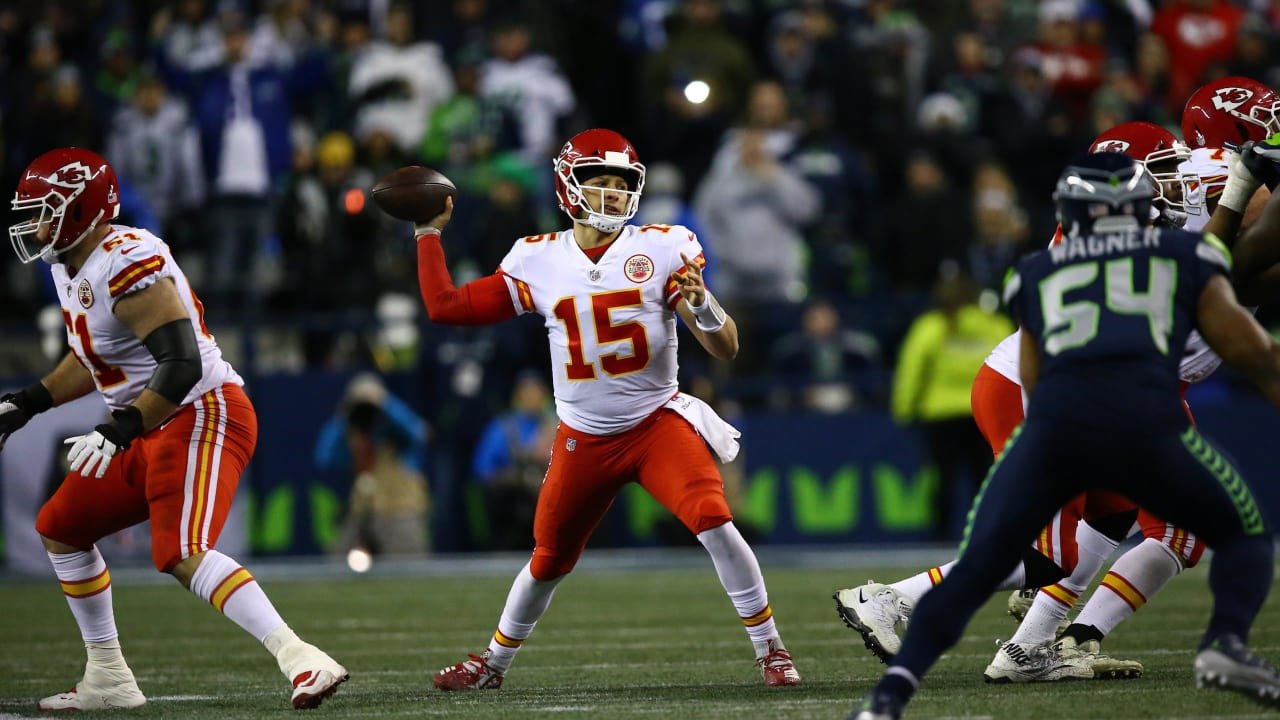
The Chiefs absorbed their first defeat of 2026 on Sunday night, falling 20-3 to the Seahawks at Lumen Field. The offense mustered just 213 total yards and 50 on the ground, while Seattle rolled to 410 yards behind a breakout night from Jaxon Smith-Njigba (nine catches, 150 yards, TD), as documented by CBS Sports and the Associated Press game reports published Sunday night. Kansas City dropped to 5-1; Seattle moved to 4-3 after the win.
The story of the game: protection and precision
This wasn’t about one play or one decision — it was about a night-long grind where the pass protection and route timing were a tick slow against a defense playing on the front foot. Per the CBS Gametracker box, the Chiefs finished 19-of-33 passing for 165 yards with one interception and took drive-killing negative plays in plus territory. Seattle’s pressure packages won on the edges and in obvious passing downs, and when Kansas City did find rhythm, penalties or a sack short-circuited the series. Seahawks.com’s rapid postgame noted the home side’s defensive tone from start to finish, and it matched the eye test: tight coverage outside, rally tackling underneath, and a pass rush that got home at key moments.
Injuries and personnel context
Kansas City was shorthanded at key spots. Wideout Rashee Rice (hamstring) missed his third straight game, and right tackle Jaylon Moore was unavailable in the concussion protocol — statuses reflected on the week’s injury reports from team and opponent outlets. That combination matters: with a thinned receiver room and a shuffled tackle situation, the offense leaned on quick-game concepts and outlet throws, but Seattle squeezed those windows. The club did elevate rookie receiver Andrew Armstrong to the 53-man roster on Friday; he saw late-game snaps and a short target, a small bright spot in a long night, per the play-by-play ledger. None of that excuses a three-point output, but it helps explain why the margin for error shrank.
What the numbers say about where KC slipped
– Third-down and middle-eight moments: The Seahawks controlled the middle eight (last four minutes of the first half, first four of the second), turning a 0-0 grind into a 13-0 lead and forcing Kansas City away from balance. That sequence — captured in the drive charts — framed the night.
– Explosives allowed, explosives missing: Seattle produced chunk gains through Smith-Njigba and a steady ground game. Kansas City, meanwhile, generated few explosive passes. NBC Sports’ postgame wrap underscored how efficiently Seattle limited deep shots and forced everything underneath.
– Field position and self-inflicted wounds: Even Kansas City’s best march ended in a 50-yard field goal. A third-quarter strip-sack set the tone for how narrow the Chiefs’ offensive runway was — one negative play and the drive was over.
Fan-eye view: why this stings — and why it’s fixable
From a Chiefs fan perspective, this felt familiar in the worst way: when defenses get physical at the line and win on the edge, the offense’s precision has to be spotless. It wasn’t. But it’s also October football, and the fixes are within reach. Getting healthier at tackle, reestablishing a credible run threat by committee, and reintegrating an in-rhythm receiver rotation will help. The staff has adjusted in-season before; this group can, too.
Big-picture takeaway
Seattle didn’t expose some foundational flaw so much as present the blueprint every opponent will copy: press the receivers, muddy the first read, and make Kansas City stack 10-play drives without mistakes. The good news is the Chiefs’ defense battled to keep the game within striking distance deep into the third quarter; the bad news is the offense never found the counterpunch. As the national recaps made clear Sunday night, this was as much about the Seahawks playing their best game in weeks as it was Kansas City playing its worst.
What’s next
Clean up protections, get healthier on the perimeter, and rediscover the explosive pass. Do those three things and Sunday night in Seattle becomes a snapshot, not a trend line. It’s one loss in late October — a loud reminder that the margins are thin and the fixes urgent, but absolutely attainable for a championship-caliber locker room.