
 By Jeremy
What Hunt’s comments tell us about the Chiefs’ calculus
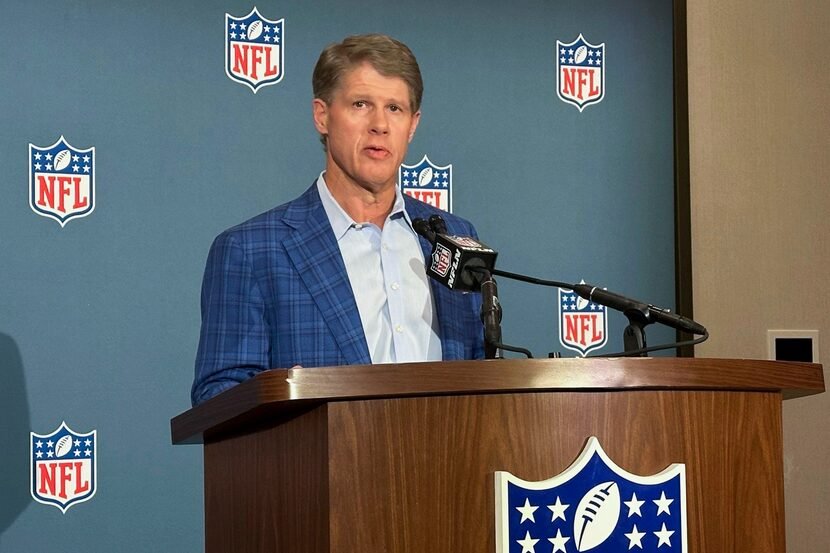
Clark Hunt addressed the elephant in Chiefs Kingdom, confirming he spoke with general manager Brett Veach before the team brought Justin Tucker onto the practice squad. Framed as a collaborative, top-down decision, Hunt’s remarks underscore two parallel priorities: stabilizing a shaky kicking situation and doing thorough due diligence on a player who arrived amid controversy. From a Kansas City perspective, the message is clear: this wasn’t a rogue flyer—ownership and the front office aligned before proceeding.
Why kicker even became a headline in November
Kansas City doesn’t usually live in the world of kicker discourse, but an uneven start forced the issue. The Chiefs added Tucker on Oct. 28 to create competition and protection for game-day margins that had started to shrink. There’s no sugarcoating it: special teams had become a weekly sweat. Bringing in an eight-time All-Pro, even as a practice-squad add, signaled urgency without immediately benching the incumbent on Sundays. It’s a classic Veach/Hunt move—add optionality, stoke competition, and give Dave Toub more levers to pull.
The due diligence layer matters here
Hunt emphasized that the organization dug into the allegations tied to Tucker before signing off. That detail matters in Kansas City, where the standard for player conduct has been scrutinized before. The Chiefs appear to be operating on two tracks: acknowledging the seriousness of past allegations while asserting Tucker served league discipline and merited a second chance. Whether fans agree or not, Hunt made it plain that ownership wasn’t hands-off; he and Veach evaluated the risk profile together before giving the green light.
Football fit: what Tucker changes—and what he doesn’t
From a pure football lens, Tucker on the practice squad gives Toub a proven leg to evaluate in-house. It also applies competitive pressure the room frankly needed. Even if Tucker never takes a game snap, his presence can sharpen operations—timing with holders, hash-by-hash plans, and late-game confidence. Kansas City’s offense under Eric Bieniemy has leaned on situational precision—think fourth-and-short math, red-zone scripting, and end-of-half sequencing. A steadier kicking floor supports that philosophy, keeping the playbook open instead of chasing points later.
Roster reality check from a Chiefs fan angle
This isn’t last year’s team, and fans know it. Playmakers who once masked thin margins—some gone via free agency—aren’t here to erase special-teams mistakes. That’s why this move resonates. It’s a practical response to a problem that can swing playoff seeding. If Tucker shows he’s still Tucker, you’ve acquired a premium specialist for minimal cost. If he’s not, you still raised the standard inside the building without sacrificing a roster spot on game day.
The optics conversation won’t vanish overnight
Hunt’s stance won’t quiet every concern, nor should anyone expect it to. The Chiefs chose to own the decision publicly and tie it to a process—research, consultation, and internal alignment. That transparency is notable, and so is the accountability that comes with it. In Kansas City, where winning expectations are sky-high, leadership just told fans they believe the football value and their vetting justify the risk.
Bottom line
This was a deliberate, organization-wide call—Hunt and Veach in concert, not a panic play. On-field, it adds competition and potentially raises the special-teams ceiling. Off-field, it places trust in the team’s process and invites scrutiny that the Chiefs seem prepared to face. In a season where every edge matters, Kansas City chose to pursue one—eyes open.