
 By Jeremy
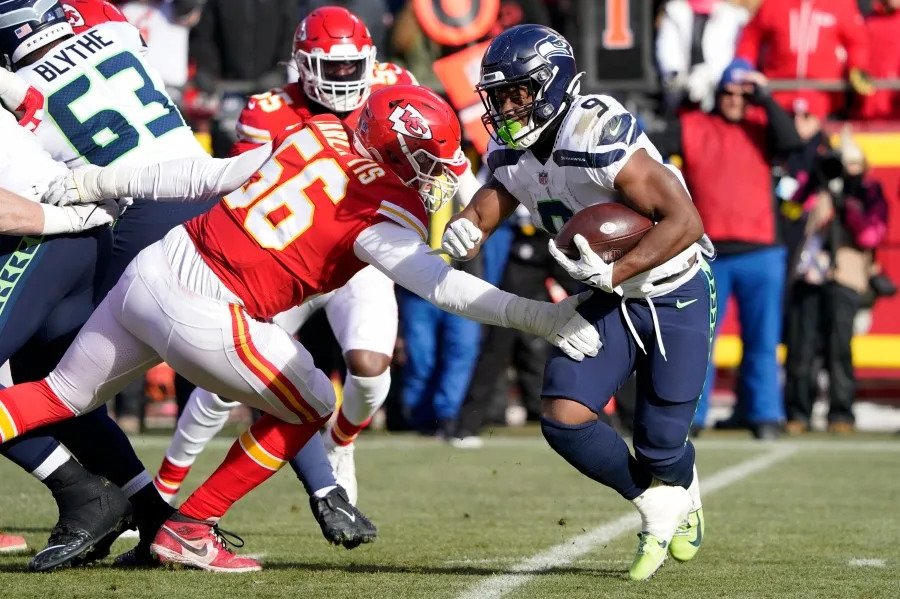
What Seattle already knew, Kansas City is feeling
Kenneth Walker arrived in Kansas City like rocket fuel for Eric Bienemy’s revamped offense — explosive, efficient, and exactly the kind of tone-setter this team wanted after reshaping the skill group in the spring. But the last two weeks have delivered an uncomfortable reminder that Seahawks fans know too well: Walker’s brilliance only matters if he’s available. A groin issue has now sidelined him for back-to-back games after that red-hot start, and the “how much is too much?” question has landed squarely on the Chiefs’ doorstep.
The usage-versus-availability tightrope
In Seattle, Walker at times thrived in a tandem, which helped preserve his legs over the grind of a season. Kansas City, by contrast, leaned into him as a true centerpiece right away — understandable, given his early dominance and the way his presence forced lighter boxes and unlocked Bienemy’s play-action menu. The downside is becoming clear. Soft-tissue injuries, especially to the groin, can linger if you don’t recalibrate on the fly. The Chiefs can’t afford a start-stop rhythm with the most dynamic runner on the roster.
There’s a balance to strike. It doesn’t mean shrinking Walker’s role so much as being intentional about how he gets his touches. First down runs don’t all need to be between-the-tackles thumpers; Kansas City can manufacture efficient “runs” with perimeter screens, RPO glances, and quick motion throws that keep Walker dangerous without stacking collisions. The point is to keep him at peak for December and January, not to win the touch-count in September and October.
Eric Bienemy’s next adjustment
With Matt Nagy no longer on staff and Bienemy back in charge of the offense, this is exactly the kind of midseason pivot he’s made before. He can trim the carry spikes, lean into packaged plays that punish overplays, and spread early-drive work across the room. Kansas City doesn’t have Isiah Pacheco anymore, and the offense has already moved past the Hollywood Brown era out wide, which only raises the premium on Walker’s snap-to-snap health. Protecting your best playmaker sometimes looks like fewer carries — and better ones.
The line, the calendar, and the plan
This also falls on the offensive line and weekly plan. If the Chiefs want Walker finishing games instead of fighting through tightness, they need to win more clean doubles early, keep negative plays off schedule, and avoid the series where he’s forced to create through contact on three straight downs. Mix in tempo to tire fronts. Use motion to widen edges so he’s not cutting through traffic into groin-stressing angles. And when Kansas City builds a lead, make the smart sub — not the heroic carry total.
What it means for the stretch run
The Chiefs don’t need Walker chasing a rushing crown; they need him dictating terms when the weather turns and possessions shrink. If that requires a two-week reset now, it’s worth it. Soft-tissue injuries reward patience and punish stubbornness. Seattle’s “lesson” wasn’t that Walker can’t carry you — he just can’t carry you every single snap. Kansas City has learned that the hard way these past two weeks. Learn it once, adjust, and make sure No. 9 is the freshest star on the field when it matters most.
Bottom line
Walker changes the math for this offense, but only if he’s in the huddle. Bienemy’s job now is to stretch Kenneth Walker’s season, not his snap count. Do that, and the Chiefs’ path in the AFC looks a lot clearer — and a lot healthier.