
 By Jeremy
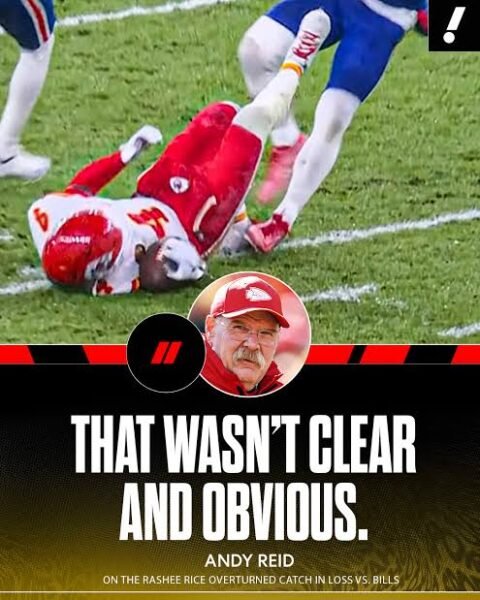
The day after Thanksgiving’s 13-10 loss in Buffalo, Rashee Rice made it plain: he believes he hauled in that third-and-10 dart late in the fourth quarter — the one that was ruled a first down on the field before New York buzzed in and flipped it to incomplete. It wasn’t just Rice, either. Inside the Chiefs’ building, there’s a shared sense the reversal didn’t meet the “clear and obvious” threshold, and it changed the tenor of a game Kansas City still had a chance to steal.
What Rice saw — and what fans saw
Down 13-10 with under two minutes left on November 26, facing third-and-10 from the Kansas City 9, Patrick Mahomes ripped a throw to Rice over the middle. Rice rose, absorbed a heavy shot, and clutched the ball to his chest as he came down. The sticks moved. Then replay intervened. According to Rice, no one on the field offered him an explanation for why New York overturned it, which only added to the frustration for a receiver who felt he completed the process through the ground.
From a fan’s perspective, the live look matched Rice’s conviction: control to the ground and a football move in high traffic. If the league office saw “indisputable” evidence of the ball moving, it wasn’t obvious to Arrowhead or to millions watching at home. When the standard is “clear and obvious,” a slow-mo frame hunt shouldn’t rewrite the call that stood on the turf.
The ripple effect on the drive — and the game
Let’s keep it real: one play doesn’t define an entire night. Special teams miscues, a missed opportunity or two, and Buffalo’s defense all mattered. But that conversion would have flipped field position, calmed protection, and kept the full playbook open for Eric Bieniemy. Instead, fourth-and-long from the shadow of the goalpost forced Kansas City into survival mode against a pass rush teeing off. For a team that had finally found some rhythm with Xavier Worthy’s speed changing leverage and Travis Kelce working voids, the reversal felt like a door slammed just as it cracked open.
The catch rule problem (again)
The NFL’s catch standard has lived in the gray for too long. When a receiver secures the ball, survives initial contact, and is ruled in-bounds with control by on-field officials, we should need rock-solid evidence to overturn it — not micro-wobbles that appear only at 1/16th speed. If the league wants fans to trust outcomes, it must clarify language around control through the ground and when “slight movement” equals loss of possession. Thursday night didn’t just sting because of the stakes; it stung because the standard felt inconsistent.
Where the Chiefs go from here
Bieniemy’s task now is twofold: channel the frustration into execution — and make sure Rice keeps getting these high-leverage targets. The second-year wideout’s ability to win through contact is core to this offense’s identity post–free agency changes. On critical downs, he’s become the strong-hands option who can own the middle when defenses bracket Kelce or cap the sidelines against Worthy’s burst.
And for the locker room, accountability and resilience matter most. You can’t control New York. You can control ball security, protection integrity, and finishing drives so one ruling isn’t decisive. That’s the Chiefs standard under Andy Reid — and it’s the path out of a tight Thanksgiving loss that shouldn’t have hinged on a microscope.
Bottom line: Rice believes he caught it, and plenty of us saw the same play he did. The league owes its players and fans a cleaner rule and a higher bar for reversals. The Chiefs will move on — but they’re not wrong to be upset about this one.