
 By Jeremy
What Kelce said — and why Chiefs Kingdom should care
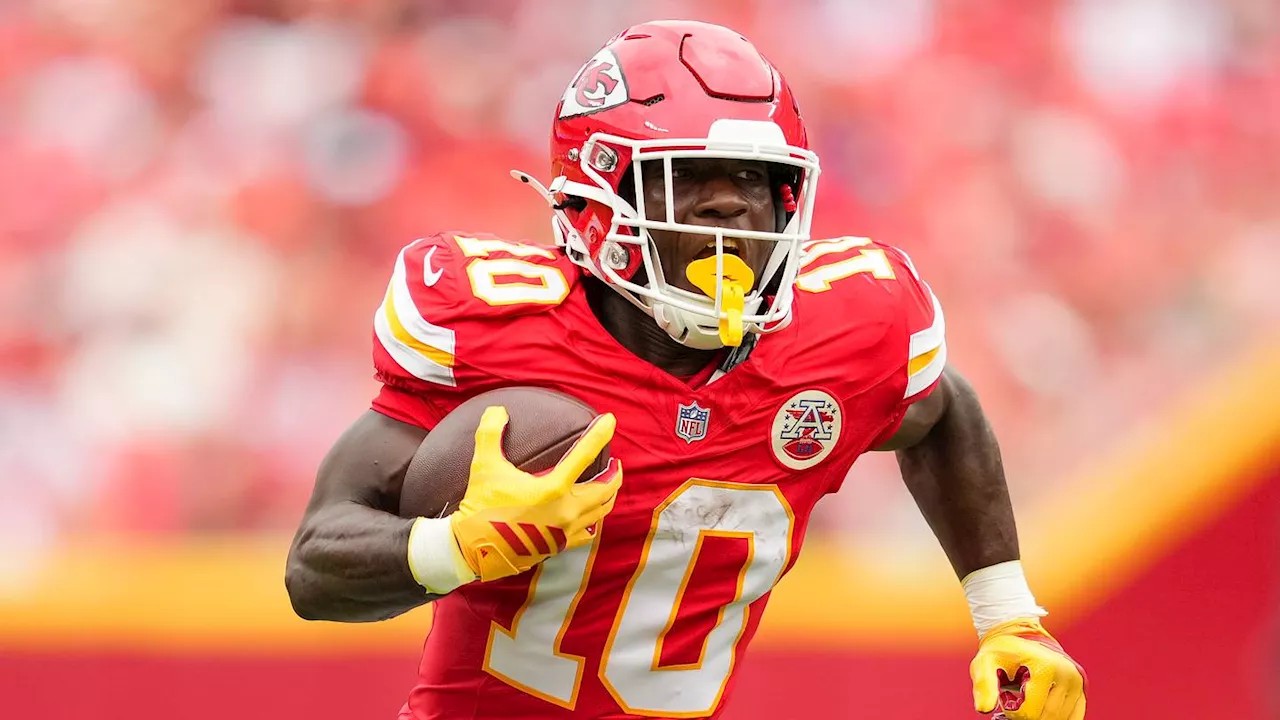
Jason Kelce didn’t mince words about Kansas City’s newest backfield spark. After the Chiefs’ 35–13 win in Atlanta on November 15, the future Hall of Famer publicly pushed for rookie running back Emmett Johnson to keep getting the rock, praising the way the fifth-rounder ran through contact and changed the pace of the offense. It wasn’t fan-service fluff; it was a veteran center recognizing how a young playmaker can tilt games — and telling the league he sees it, too.
Johnson’s breakout puts real pressure on defenses
Johnson’s emergence couldn’t be timed better. With opponents daring Kansas City to win on the ground, the rookie answered with a 100-yard rushing day, plus explosive receiving work that punished linebackers in space. His acceleration to and through the hole, paired with sturdy balance after first contact, looked sustainable — not like a one-Sunday mirage. When a respected trench technician like Kelce spotlights a runner’s vision and finish, it validates what the tape showed: Johnson forced missed tackles, ran through arm grabs, and gave Eric Bieniemy a fresh sequencing tool on early downs.
Fitting Johnson into Eric Bieniemy’s 2026 identity
With Bieniemy back calling plays, the Chiefs have leaned into multiplicity: condensed formations that morph into motion-heavy looks, angle and choice routes for backs, and gap-scheme wrinkles to complement the outside zone staples. Johnson’s skill set meshes with all of it. He presses edges decisively, sets up pullers on counter, and looks natural releasing into the flats or settling underneath zone coverage when Patrick Mahomes extends plays. That versatility keeps personnel groupings balanced and disguises intent — especially valuable as defenses commit extra bodies to Travis Kelce on money downs.
The post-Pacheco backfield picture, clarified
Kansas City entered this season asking who would claim the “tone-setter” snaps vacated by free agency departures. Johnson just made his case in bold font. He doesn’t have to carry 25 times to matter; 12–16 touches with a couple of schemed targets can change how safeties fit the run and open intermediate windows for receivers. The ripple effect is obvious: play-action gets teeth, RPOs stress second-level defenders again, and the screen game reclaims its role as a drive starter rather than a bailout. In short, Johnson gives the offense leverage without asking Mahomes to be superhuman every series.
What Kelce’s endorsement signals inside the building
Players hear everything, and when a league voice like Jason Kelce spotlights a rookie’s physicality and poise, it travels. For Johnson, it’s fuel; for the locker room, it affirms that the rookie’s production isn’t a fluke. For Bieniemy and Andy Reid, it’s external confirmation of something they’re already seeing on the practice field: a young back who protects the football, understands protections well enough to stay on the field, and finishes runs the way November and December demand in the AFC.
Looking ahead to Arizona on Sunday
Against the Cardinals this Sunday (November 22), watch for Bieniemy to keep Johnson on the front foot with early-down touches and a couple of designed angle or swing routes to test linebacker range. If Johnson again forces missed tackles and stays efficient on first down, it will set up the Chiefs’ shot menu and keep the pass rush honest. And if that happens, Kelce’s “give the rookie more” nudge will morph from commentary into weekly expectation.
Bottom line: When Jason Kelce vouches for your rookie, you lean in. Emmett Johnson just earned a bigger slice of the plan — and the Chiefs’ offense looks more dangerous because of it.