
 By Jeremy
What the new paperwork actually tells us
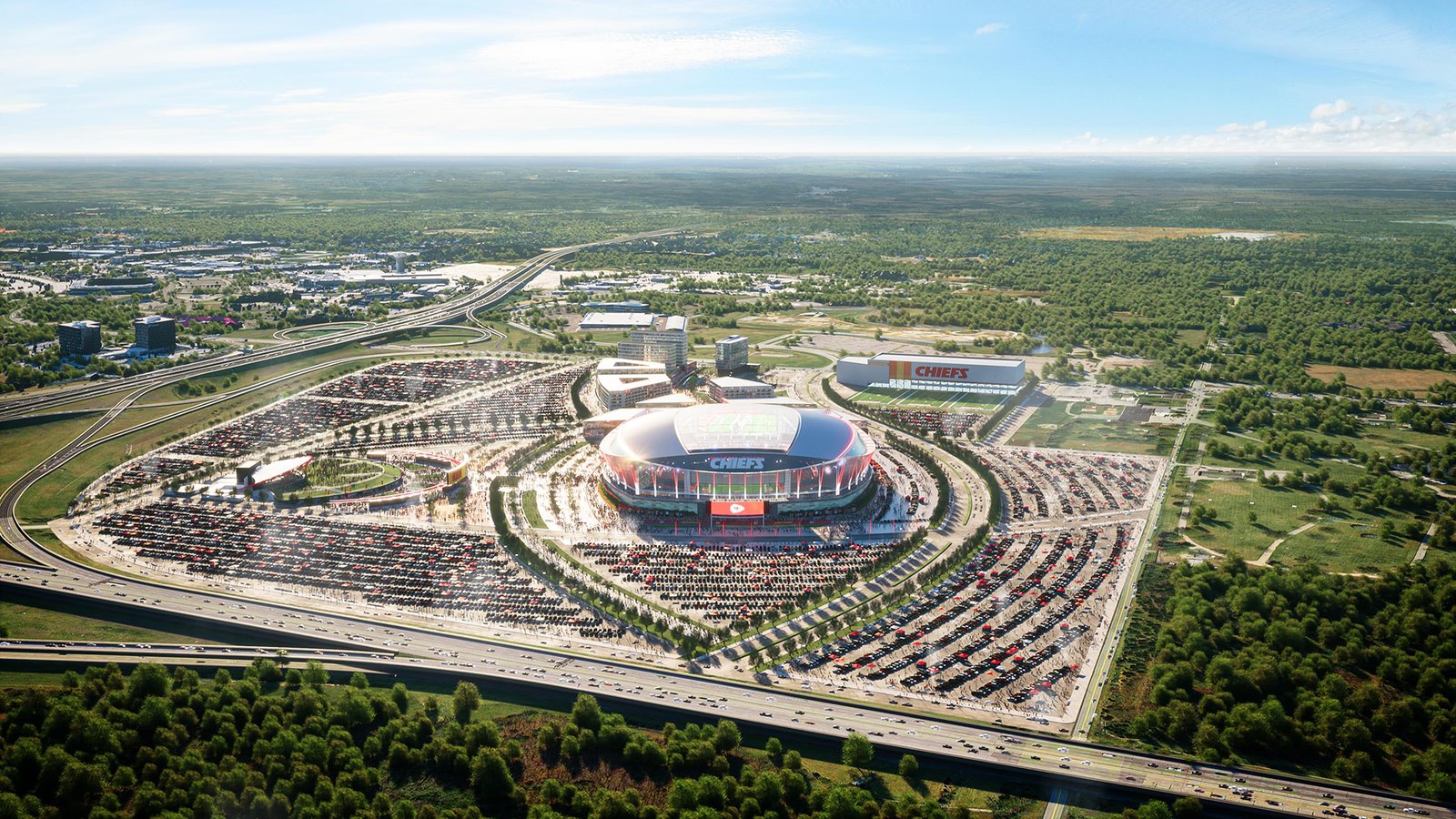
The newest batch of agreements between the Kansas City Chiefs and the Kansas Sports Facilities Authority finally hit the public domain this week, and with them came a clearer outline of how the franchise and the state envision financing, building, and running a domed stadium in Kansas. The headline takeaway for fans: the documents formalize key responsibilities, sketch out construction milestones, and acknowledge one of the most sensitive tools in modern stadium economics — personal seat licenses (PSLs) — without fully committing to them.
PSLs: a lever the team can pull — but hasn’t yet
PSLs feature prominently in the stadium paperwork and were explicitly discussed by the team, but there’s still no definitive “yes or no.” The documents contemplate a structure in which PSL revenue would count toward the Chiefs’ share of the project costs, easing pressure on other funding streams while shifting some upfront burden to season-ticket holders. For long-time members of Chiefs Kingdom, that’s the tension point: PSLs can help close financing gaps, but they also reshape the economics of fandom by turning the right to buy tickets into a one-time asset purchase.
From a practical standpoint, the club appears to be keeping options open while designs progress and market testing continues. That approach aligns with how other NFL stadiums have balanced flexibility with transparency — signal the mechanism, refine the price tags later. For fans, it means budgeting scenarios remain hypothetical for now, even as the framework to charge PSLs is clearly in place.
What’s clearer — and what isn’t
Clearer: the process and governance. With the recent approvals, the state entity now has the formal authority to advance the project, and the team has a clearer set of deadlines and obligations tied to design, construction, and operations. The team reiterated the goal of opening in 2031 and indicated that design work is deep into the red-zone phase, which tracks with the document-driven push to move from concepts to commitments.
Still fuzzy: the precise site within Wyandotte County and the final math fans care about most — total project cost allocation, how much of the team’s “40%” will be fueled by PSL dollars, and what that could mean in real terms for different seating tiers. The documents outline the “how” and “who” of getting to the finish line but intentionally leave pricing and some revenue assumptions adjustable. That’s not unusual for a mega-project at this stage, but it does keep key household-level questions unanswered a bit longer.
Tax tools and risk — the fan calculus
The elephant in any modern stadium room is public financing risk. Kansas is using its playbook of tax-backed tools to support construction, while the team is positioned to shoulder a defined share that can include private mechanisms like PSLs. For Chiefs fans, the practical question isn’t a bond amortization table — it’s whether the combined package delivers better gameday value than staying put would have, and how much more expensive it will be to keep the seats you love.
That’s why the PSL language matters. If the team ultimately deploys them, expect aggressive communications around payment plans, transferability, and perks. Those details can soften the blow for season-ticket members and will likely determine whether the broader fan base sees PSLs as a necessary bridge to a better building or a new financial barrier to entry.
Big picture: encouraging progress, fair questions
From a Chiefs fan perspective, this week’s documents are progress. They move the stadium from political football to project management. But they don’t end the debate. The community still needs line-of-sight into the pocketbook issues — PSL pricing ranges, seat maps, renewal rights, and how the financing mix protects taxpayers while delivering a building worthy of this era of Chiefs football. Until those numbers land, the financial picture is clearer, not complete. For now, we’ve got a defined path, a plausible timeline, and a front office that insists it’s listening. The next step is turning frameworks into figures fans can plan around.